
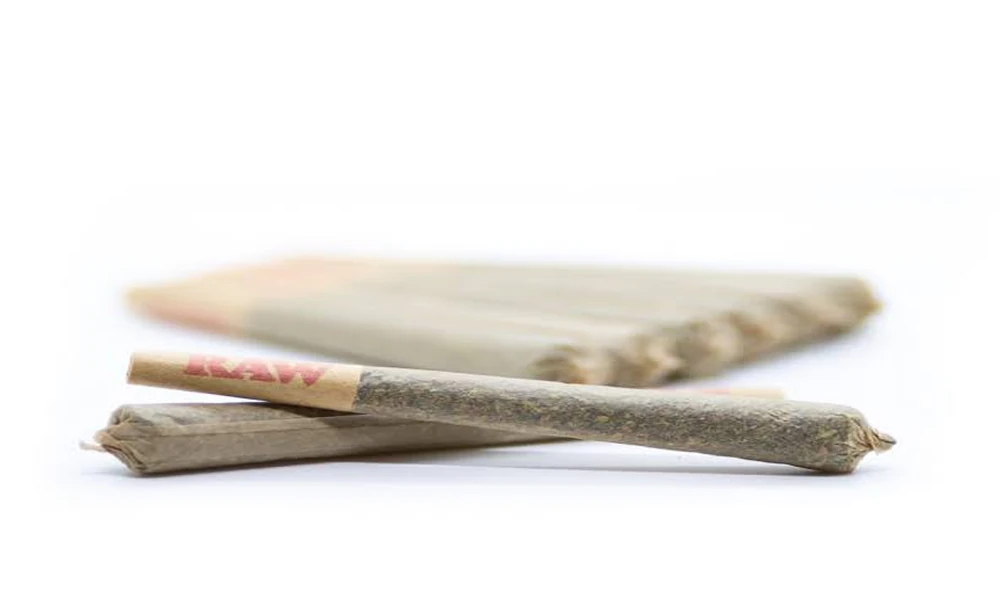

How is the flower prepared?
Preparation starts at harvest, where cut branches hang to dry for roughly two weeks. Curing follows inside sealed containers, evening out moisture before anything reaches a grinder. Flower reaching makers of best thca pre rolls online get trimmed once curing finishes. Scissors or trimming drums take away fan leaves and stems, leaving buds behind. Stems burn poorly and taste harsh, so removal happens carefully rather than quickly.
Sorting comes next. Larger buds separate from smaller ones because size changes how evenly the material grinds. Mixed sizes leave some pieces coarse while others turn to dust, and uneven pieces sit badly inside a cone. Moisture gets checked before grinding begins. Damp flower clogs a grinder and packs into a sticky lump, while over-dried flower crumbles into powder. Readings falling outside a set range send material back for a few more days of settling. Grinders then break sorted buds into pieces sized to match whichever cone width a batch is heading toward.
How does filling work?
- Ground flower drops into pre-formed paper cones, each already fitted with a rolled paper tip. Filling happens by hand or by machine, and both rely on gentle shaking to settle material downward.
- Machines hold trays carrying dozens of cones upright. Flower spreads across a tray, falls into open ends, and shaking plates vibrate underneath until everything settles. Weight checks happen on sampled cones during a run, catching drift before too many go astray.
- Hand filling suits smaller batches. Workers spoon flower in and tap each cone against a bench, judging fullness by feel. Speed drops considerably, though wider cones handle well this way.
Closing each cone
Open ends get closed once filling reaches the target weight. Steps follow a set order.
- A loose flower gets brushed away from an open rim.
- Paper above packed material gets pinched together gently.
- Twisting or folding closes an end, depending on the cone length.
- Closed ends get pressed lightly, so the paper holds its shape.
Closing style changes how a cone lights. Twisted ends flare quickly, while folded ends open slowly and stay together during lighting. Weight gets recorded again afterwards, since brushing away loose flour shifts totals slightly.
Checks before packing
Finished cones go through several checks before pouches close around them.
- Weight gets confirmed against a target range for that cone size.
- Airflow gets tested by pulling air through sampled cones.
- Seams get looked over for splits or gaps along a body.
- Tips get checked for tilting, which narrows one side.
Cones falling outside the range go back for refilling rather than packing. Records list flower batch, grind setting, fill weight, and closing style, so anything unusual later can be traced back to whichever stage caused it.
Sealed pouches close around checked cones soon after, limiting how long ground material sits open to air. Speed counts here more than anywhere else in a line, because ground flower loses freshness far quicker than whole buds.
Making a cone well comes down to patience at every stage, rather than clever equipment. Slow drying, careful trimming, even grinding, and steady filling each carry weight, and hurrying any one of them shows up once someone lights what came out.