
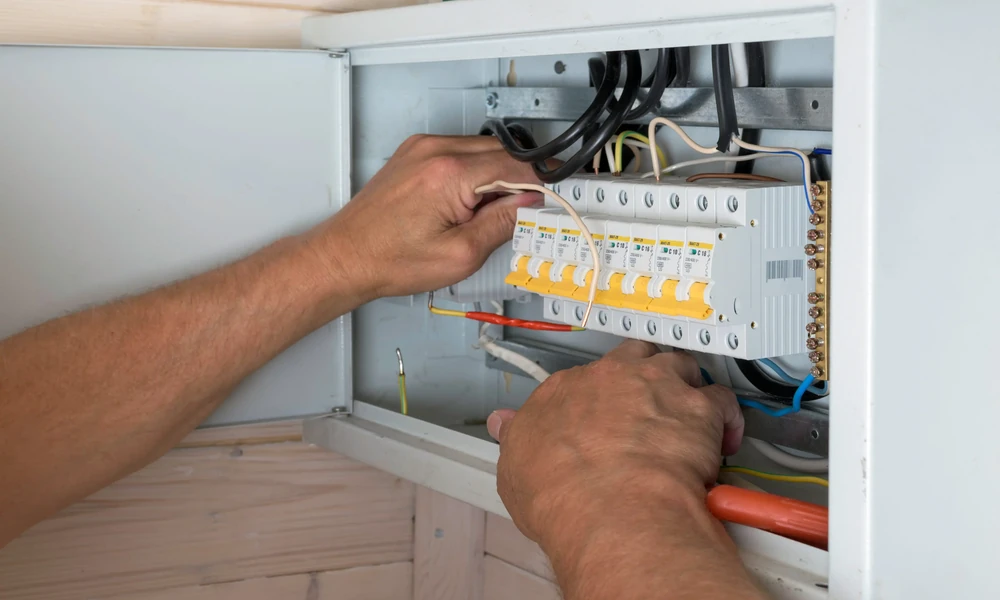

Most homeowners can picture a new kitchen or a fresh coat of paint. Very few can picture what happens when an electrician arrives to swap the main panel, the gray metal box that quietly runs the entire house. It is a job that cuts power to everything you own for several hours, and uncertainty about it is the main reason people put it off.
This walkthrough takes you through the day from start to finish, so nothing feels like a surprise. If you are researching electrical panel replacement in Lakewood, knowing what the process looks like will help you plan, prepare, and ask better questions before anyone touches a wire.
Before the Day Even Begins
The work that matters most happens before the crew arrives.
A good project starts with an evaluation. The electrician looks at the existing service size, the condition of the panel, the age and type of wiring, and what your household needs now and in the near future. If you plan to add an electric vehicle charger, a heat pump, or a home addition, this is the time to say so, because it affects the size of the new panel.
Permits come next. In most areas, panel replacement requires a permit and an inspection, and the utility company may need to disconnect and reconnect service. A professional contractor usually handles the paperwork and scheduling, but it is fair to ask who is responsible for each step.
You will also want to prepare the house. Clear a path to the panel, usually in a garage, basement, or utility room. Move anything stored in front of it. Plan for being without power, which means charging phones and laptops, thinking about refrigerated food, and making arrangements for anyone who relies on medical equipment that needs electricity.
Morning, Part One: Setting Up and Shutting Down
The crew arrives, reviews the plan with you, and protects the work area. Floors and nearby belongings are usually covered, since the job involves tools, dust, and the occasional dropped screw.
Then comes the moment everyone notices. Power to the house is shut off. In many cases the utility must disconnect service at the meter before the crew can safely work. Once that is done, the lights go out, the refrigerator falls silent, and the house becomes unusually quiet. This is a good time to step outside, take a call from the driveway, or run an errand.
Midmorning: Out With the Old
Next, the electrician removes the old panel cover and examines what is inside. This is often the first time anyone sees the true condition of the system, and sometimes the findings are surprising.
Some common discoveries include crowded wiring, extra wires sharing one breaker, signs of heat damage, loose or corroded connections, and splices that were added by previous owners. If any of these turn up, a good electrician will show you and explain what needs to be corrected rather than quietly working around it.
Each circuit is carefully labeled and disconnected, and the old panel is removed from the wall. Taking photos and making notes at this stage helps ensure every circuit goes back to the right place.
Midday: Installing the New Panel
The new panel is mounted and the service conductors are connected. This stage requires precision. Wires must be the correct size, terminals tightened to the manufacturer’s specified torque, and grounding and bonding done properly.
Each circuit is then reconnected to a new breaker. Depending on the age of the house and local code, some circuits may now need modern protective devices. Arc fault breakers help guard against dangerous arcing in wiring, and ground fault protection reduces shock risk in areas near water. If a circuit has problems, such as damaged insulation or an overloaded run, it should be repaired before being reconnected.
The electrician also labels every breaker clearly. A properly labeled panel is one of the quiet benefits of replacement, and it will make life easier for you, for future electricians, and in an emergency.
Early Afternoon: Inspection and Testing
Before power comes back, the work is checked. In many places a local inspector visits to confirm the installation meets code. Some jurisdictions inspect before the utility restores service, while others do so afterward, so the order depends on where you live.
Once approved, the utility reconnects power and the electrician energizes the panel. Each circuit is tested to confirm it works, that outlets and switches respond properly, and that protective devices trip as they should. You will likely be invited to walk through the house with the crew and confirm that everything you rely on is back on.
Late Afternoon: Cleanup and Handoff
The crew cleans the work area, removes the old panel and debris, and goes over the finished job with you. Ask for the following before they leave.
- A copy of the permit and inspection approval
- Any warranty information for the new panel and the labor
- A clear, legible panel directory
- A summary of anything that was repaired or recommended for later
- Guidance on resetting breakers and what to do if something trips
Keep these papers in a folder with your other home records. They matter when you sell the house and when you speak with your insurance company.
How Long Does It Really Take
Many straightforward replacements can be finished in a single day, often with power off for roughly half a day. Complicated jobs take longer. Moving the panel, upgrading the service size, replacing old wiring, or waiting on utility scheduling can stretch the timeline into several days. Ask for a realistic schedule in writing and find out what could cause delays.
What Affects the Cost
Rather than quoting numbers, which vary widely by region and home, it is more useful to understand what drives the price. These factors include the size of the new service, the number of circuits, the brand and quality of the panel, the condition of existing wiring, whether the panel must be relocated, permit and inspection fees, and any repairs uncovered once the old panel is opened.
Ask for an itemized estimate so that you can compare quotes fairly and understand what you are paying for.
Signs It May Be Time to Start Planning
You do not need to wait for an emergency. Consider scheduling an evaluation if your panel is very old, if breakers trip frequently, if you see scorch marks, rust, or moisture, if you hear buzzing from the panel, or if you are planning to add major electrical loads. Some older panel designs have also been the subject of safety concerns, so it is worth asking an electrician whether yours is one of them.
The National Fire Protection Association offers public resources on electrical safety in the home, which can help you understand warning signs and why aging systems deserve attention.
Questions to Ask Before You Hire
A thoughtful contractor will answer these clearly and without pressure.
- Are you licensed and insured, and can I see proof?
- Will you handle the permit and inspection?
- What size service do you recommend and why?
- How long will the power be off?
- What will you do if you find problems behind the old panel?
- What warranty comes with the equipment and the workmanship?
The Bottom Line
Replacing an electrical panel sounds dramatic, but it follows a predictable path, starting with evaluation and permits, moving through shutdown, removal, installation, testing, and inspection, and ending with a clean, labeled panel and a house that is ready for the way you live now. Understanding the day ahead removes most of the stress. Prepare your home, ask questions early, choose a licensed professional, and keep your paperwork. When the lights come back on, you will have a safer system and a clearer picture of what powers your home.