
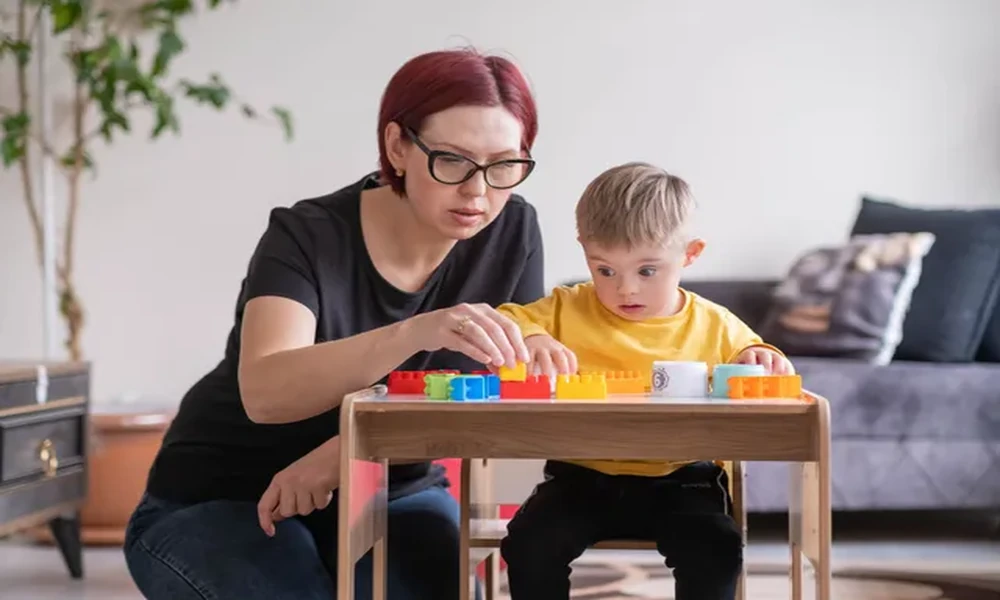

Report cards rarely explain why a bright child suddenly struggles to keep up. A missed instruction here, a lost train of thought there, and worry sets in. Something shifts between how much effort goes in and what comes back out. Parents feel it before teachers say it, long before anyone puts a name to it.
A neuropsychological evaluation offers a structured way to understand thinking, memory, and attention in clear terms. It connects everyday struggles with measurable cognitive patterns that explain learning and behavior differences in depth. Clinicians guide families step by step so each stage feels clear and easy to follow naturally. This guide will help parents learn the steps included in a Neuropsychological evaluation in simple detail.
Step 1: Initial Intake Conversation
The process of Neuropsych testing in Newton, MA, begins with an intake conversation that sets the clinical direction. Families and individuals describe concerns related to attention, memory, learning, or behavior in a structured discussion. Clinicians collect developmental, academic, and medical history to understand the broader context behind present difficulties. This step helps shape a focused and individualized evaluation plan that reflects real concerns rather than surface-level symptoms.
Step 2: Background Review And Case History
Clinicians in Newton carefully review school reports, prior assessments, and medical records before formal testing begins. This review helps identify long-standing learning patterns and developmental markers that may explain current challenges. It also allows them to compare earlier performance with present concerns. The result is a well-connected background profile that supports more accurate interpretation of test findings.
Step 3: Structured Cognitive And Academic Testing Phase
The core testing phase at clinics in Newton includes standardized tasks designed to measure memory, reasoning, academic, and attention skills. Each task is selected based on referral questions and individual needs to ensure meaningful results. The setting remains structured to capture consistent responses across different cognitive areas. These results help identify both strong abilities and areas that may require targeted academic or cognitive support.
Step 4: Behavioral Observation During Assessment Tasks
Clinicians in Newton closely observe how individuals approach tasks, manage time, and respond to difficulty during testing sessions. These observations reveal important patterns in focus, persistence, and emotional control that raw scores cannot fully capture. Reactions to difficult tasks may highlight frustration tolerance or shifting attention control in real time. Such behavioral insights add depth to the overall understanding of cognitive performance.
Step 5: Results Review And Interpretation Session in Newton
Once testing is complete, experts hold a feedback session to explain results in clear and practical language. Complex test data is translated into understandable insights about thinking patterns, learning profiles, and emotional functioning. Families in Newton receive explanations that connect findings to everyday challenges in school or home environments. This step ensures that the evaluation outcome feels meaningful and easy to apply in real situations.
Step 6: Personalized Recommendations And Next Steps Planning
The final stage focuses on building practical recommendations based on the complete evaluation profile. Suggestions may include academic accommodations, therapy options, or structured learning strategies tailored to identified needs. Professionals in Newton also guide families on how to use the results for school planning and long-term support. This step turns assessment findings into a clear path forward for improved functioning and development.
A full neuropsych evaluation brings clarity to learning, attention, and behavior patterns that might feel confusing at home or school. Each stage of neuropsych testing in Newton, MA helps translate daily struggles into meaningful cognitive insights that guide support decisions. Stay aware of the complete evaluation process and gain real insight into a child’s developmental progress for better support planning.